What Can and Can’t Go Into Our Scrap Metal Bins in Perth?
Posted on Nov 20th, 2026
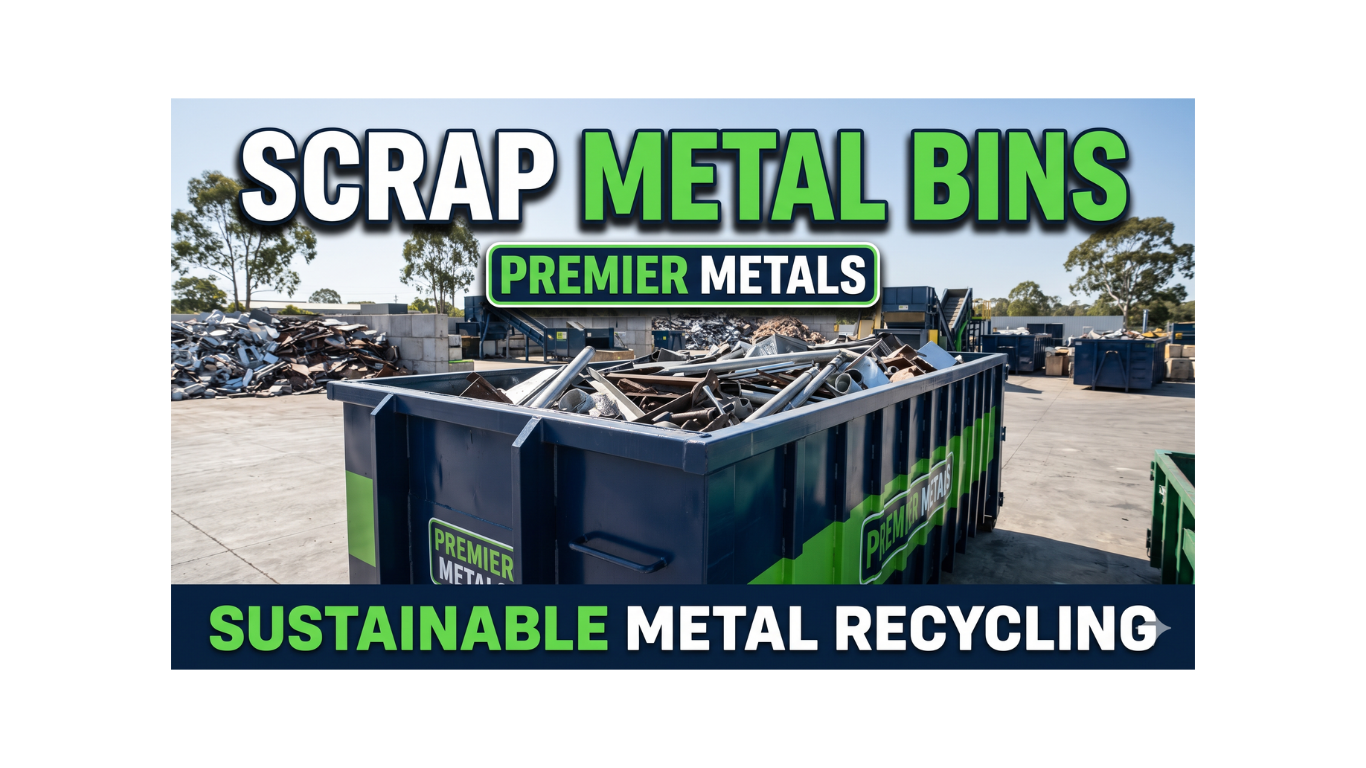
Scrap metal bins provided by Premier Metals are reserved exclusively for clean ferrous and non-ferrous metals, including structural steel, rebar, sheet metal offcuts, pipe drops, copper wiring, brass fixtures, aluminium framing, and completely drained mechanical components. Non-metal items—such as general rubbish, timber, concrete, masonry, asbestos, liquid waste, pressurised gas cylinders, and sealed fuel vessels—are strictly prohibited from all containers.
Adhering to this checklist prevents site safety hazards, ensures legal transport under Western Australian road safety laws, and protects your load from contamination deductions so you receive maximum value for your scrap.
What CAN Go Into Your Scrap Metal Bins?
We accept almost all clean, recyclable metal grades generated by commercial fabrication, construction, demolition, and trade workshops across Greater Perth:
1. Ferrous Metals (Heavy Iron & Steel)
Ferrous metals contain iron, are magnetic, and represent the highest volume of scrap on construction and manufacturing sites. Consolidating these materials into a dedicated steel and iron scrap container avoids mixed-waste landfill fees:
- Structural Steel: Universal beams (UB), universal columns (UC), parallel flange channels (PFC), angle iron, and hollow structural sections (RHS/SHS).
- Reinforcing Steel: Steel rebar offcuts, trench mesh, and structural tie wire.
- Roofing & Cladding Offcuts: Colorbond sheets, corrugated iron, steel purlins, metal gutters, and ridge capping.
- Piping & Tubing: Steel water lines, bore casings, drill rods, and exhaust pipe offcuts.
- Plate & Processing Remnants: Guillotine drop-offs, skeletal plate remnants, stamping slugs, and checker plate.
- White Goods Frames: Stripped sheet steel carcasses from washing machines, dryers, and ovens (with plastics, insulation, and electronic circuit boards removed).
2. High-Value Non-Ferrous Metals
Non-ferrous metals contain no iron, are non-magnetic, and yield substantially higher scrap value per kilogram. Sorting them cleanly into your bin maximises your non-ferrous metal recycling trade return:
- Copper: Clean plumbing tube, copper busbars, domestic pipe drops, and burnt or enameled copper wire. Learn more about copper scrap recycling.
- Aluminium: Window extrusions, security screen frames, machine plates, cast aluminium housings, alloy rims, and sheet offcuts. See our guide to aluminium scrap.
- Brass & Bronze: Plumbing valves, stopcocks, brass taps, water meters, machined bronze bushings, and marine hardware.
- Lead: Lead sheet flashing, balance counterweights, and lead cable sheathing.
- Stainless Steel: Food-grade kitchen benches, sinks, and industrial tanks (304 and 316 grades).
3. Automotive Scrap & Drivetrain Components
Automotive repairers, fleet maintenance depots, and wrecking yards can place heavy metal automotive components directly into our containers:
- Drivetrain Components: Engine blocks, cylinder heads, gearboxes, differentials, driveshafts, brake discs, and suspension arms (must be completely drained of fluids).
- Cooling Systems: Copper-brass and aluminium automotive radiators, heater cores, and air conditioning condensers.
- Panels & Running Gear: Steel wheel rims, bare alloy wheels, vehicle panels, and stripped chassis sections.
- Lead-Acid Batteries: Sealed automotive, commercial truck, and marine lead-acid batteries (must be kept upright and intact on the bin floor).
4. Trade, Fabrication & Electrical Scrap
- Electrical Contractors: Domestic wiring, PVC-coated sub-mains, and heavy power cables. We process all grades of insulated electrical cable recycling.
- Machine Shops & Toolmakers: Clean steel, bronze, and aluminium lathe turnings, milling swarf, and drill punchings. Explore our solutions for metal cuttings and swarf.
- Industrial Plant Equipment: Electric motors, copper-wound transformers, and electric pumps.
What CANNOT Go Into Your Scrap Metal Bins?
Items that are not metal, or metal items containing pressurised, toxic, or combustible substances, must never be placed into our bins. These items compromise transport safety and damage automated balers, shears, and shredders.
1. Pressurised Vessels, Gas Cylinders & Fire Extinguishers
- Prohibited Items: LPG cylinders, Fuel Tanks, dive tanks, butane canisters, fire extinguishers, and aerosol cans.
- The Hazard: At the recycling yard, scrap metal is compressed under intense hydraulic pressure inside industrial balers and shears. Any sealed cylinder—even if empty—contains residual pressure that can rupture with explosive force, endangering yard personnel.
- Condition for Acceptance: Gas cylinders can only be accepted if the valve has been completely unthreaded and the bottle has been cut cleanly in half.
2. Hazardous Chemicals, Liquids & Asbestos
- Prohibited Items: Asbestos or bonded fibro sheeting, PCB capacitors, paints, chemical solvents, oils, fuels, coolants, and unrinsed chemical containers.
- The Hazard: Introducing toxic contaminants into metal recycling bins breaches environmental standards enforced by the Department of Water and Environmental Regulation (DWER). Contaminated loads will be rejected at the site gate.
3. General Waste, Demolition Rubbish & Organics
- Prohibited Items: Bricks, concrete, plasterboard, timber pallets, insulation batts, plastics, packaging cardboard, glass, carpets, and general commercial rubbish.
- The Hazard: Premier Metals is a licensed metal recycler, not a municipal landfill operator. When general refuse is mixed into a metal bin, the material must be manually sorted and tipped at third-party transfer stations, triggering substantial disposal fee deductions.
4. Intact Fuel Tanks & Sealed Drums
- Prohibited Items: Vehicle fuel tanks, closed oil drums, hydraulic reservoirs, and chemical IBCs.
- The Hazard: Residual fuel vapors create flash-fire risks when cut with oxy-torches or processed in hydraulic shears. Fuel tanks must be removed from the vehicle, drained, flushed, and cut wide open before loading.
5. Lithium-Ion Batteries & Electronic Waste
- Prohibited Items: Lithium-ion battery packs from power tools, laptops, smartphones, and electric vehicles.
- The Hazard: Lithium-ion batteries present severe thermal-runaway hazards. When crushed beneath heavy structural steel, they ignite rapidly into metal fires that cannot be extinguished with water. Traditional lead-acid batteries are accepted; lithium batteries are strictly banned.
Quick Reference Checklist: Scrap Bin Acceptance Table
| Material / Item |
Allowed? |
Loading Requirement / Notes |
| Structural Steel (Beams, Columns, Mesh) |
YES |
Load flat; keep within the bin’s rim height. |
| Roofing Sheets & Colorbond Offcuts |
YES |
Fold or cut sheets to maximise packing density. |
| Copper Pipe & Fittings |
YES |
Keep clean and unmixed for maximum scrap rebate. |
| Insulated Power & Data Cables |
YES |
Accepted with PVC insulation intact. |
| Aluminium Windows & Door Extrusions |
YES |
Remove glass panels and heavy rubber seals. |
| Car Engines & Gearboxes |
YES |
Must be completely drained of oil and fluids. |
| Lead-Acid Car & Truck Batteries |
YES |
Place upright on the floor; do not puncture casing. |
| Machine Swarf & Lathe Cuttings |
YES |
Keep dry and separated from general rubbish. |
| Gas Bottles & LPG Tanks |
NO |
Explosion hazard under hydraulic compaction. |
| Bricks, Concrete, Soil & Timber |
NO |
General waste; causes sorting contamination. |
| Paints, Solvents, Flammable Liquids |
NO |
Serious environmental hazard under DWER regulations. |
| Asbestos or Bonded Fibro |
NO |
Strictly illegal under WA environmental laws. |
| Lithium-Ion Batteries (Power Tools/EVs) |
NO |
High fire risk; ignite when punctured or crushed. |
| Tyres on Steel/Alloy Rims |
NO |
Rims accepted only once the rubber tyre is removed. |
Cost of Contamination: Why Proper Sorting Matters
Mixing rubbish, hazardous goods, or dirt into your metal bin directly impacts your bottom line.
- Material Downgrades: If a bin containing high-value copper, brass, or stainless steel is contaminated with low-grade iron or rubbish, the load cannot be certified as clean. Assessors may be forced to downgrade the entire volume to low-grade shredder feed.
- Landfill Tipping Deductions: Recyclers must manually extract non-metal debris, reload it into separate waste containers, and pay commercial tipping rates (often $250+ per tonne) to transport it to landfill. These costs are deducted directly from your scrap settlement.
- Transport Refusals: Under Western Australian road safety laws, transport drivers can refuse to lift bins that contain visible hazardous materials (such as loose asbestos or gas bottles) until the customer clears them.
How to Safely Load and Prepare Your Scrap Metal Bin
Follow these on-site loading rules to ensure safe transport and prompt collection:
- Respect the Water-Level Rule: Materials must sit level with or below the top rim of the container. In Western Australia, skip and hook-lift trucks must secure a heavy tarp over every container before traveling on public roads. Items protruding past the top or sides make tarping impossible and violate WA Chain of Responsibility (CoR) laws. Overloaded bins cannot be hauled.
- Place Heavy Items on the Bottom: Distribute dense materials—such as engine blocks, solid steel billets, or thick plate drops—evenly across the floor of the bin to maintain a low center of gravity.
- Cut Down Oversised Pieces: Cut structural beams, pipes, and long sheeting into lengths that lie flat within the bin walls. This prevents large air pockets and maximises total payload weight.
- Provide Clear Ground Clearance: Ensure the container sits on a flat, solid hardstand (concrete, asphalt, or compacted road-base) with adequate overhead clearance from powerlines, tree limbs, and building structures.
How Premier Metals’ Scrap Metal Bin Service Works in Perth
Premier Metals supplies industrial-grade scrap metal bins in Perth tailored to fabrication, construction, and trade operations:
Available Bin Sizes
- Compact Barrel Bins (1.2m³ to 3m³): Suited to plumbers, electricians, radiator repairers, and precision machine shops where space is tight.
- Medium Workshop Skips (4m³ to 6m³): The standard choice for engineering shops, sheet metal fabricators, and automotive repairers.
- Large Hook-Lift Bins (8m³ to 10m³): High-capacity bins with rear swing doors that allow personnel to roll, walk, or forklift heavy structural items directly into the unit.
Free Metro Collection (The 1,500 kg Rule)
Premier Metals offers free bin collection across the Perth metropolitan area (within a 30 km radius of our Maddington yard) on loads meeting or exceeding our 1,500 kg (1.5 tonne) minimum weight threshold.
Given the high density of steel, iron, and heavy manufacturing offcuts, commercial workshops and building sites typically hit this threshold in a 3m³ to 6m³ bin. For smaller, one-off cleanups under 1,500 kg, a standard transport fee of $150 for bin delivery and $150 for collection applies.
Frequently Asked Questions About Scrap Metal Bins in Perth
Can I put car batteries and automotive parts in a scrap metal bin?
Yes. Drained car mechanical parts (engines, gearboxes, differentials, brake rotors, and exhaust components) are accepted. Whole lead-acid automotive and commercial truck batteries are also accepted, provided they are placed upright on the bin floor with intact casings. You must never place lithium-ion batteries in the bin.
What happens if non-metal items or rubbish end up in the bin?
If general rubbish, timber, or building debris is mixed into the bin, the recycler must manually sort out the non-metal material and pay commercial landfill tipping fees to dispose of it. These tipping costs and sorting fees will be deducted directly from your final scrap payout.
Can empty paint cans, oil drums, or aerosol tins be accepted?
Aerosol cans are pressurised and are strictly prohibited due to explosion hazards in processing balers. Steel paint tins and oil drums are accepted only if they are completely empty, free of chemical residue, thoroughly dried, and have had their lids permanently removed.
How high can I load the scrap metal bin?
Bins can only be loaded up to the water level (flush with the top rim). Western Australian road safety laws require all bins to be covered with a tarp during road transit. If items stick out over the top or sides, our drivers cannot legally haul the bin.
How does Premier Metals calculate the rebate for scrap metal bins?
Once the bin arrives at our Maddington depot, it is weighed across certified trade weighbridges to record the gross weight. After the bin is tipped, the empty truck is weighed again to determine the tare weight, giving the exact net weight of your scrap. Payment is graded against current market commodity rates and transferred promptly via electronic funds transfer (EFT). View our current rates on our cash for scrap metal page.
Arrange Your Perth Scrap Metal Bin Delivery
Keep your job site organised, WorkSafe WA compliant, and financially efficient. Avoid high general waste skip fees by partnering with Premier Metals for reliable bin delivery, fast swaps, and competitive scrap metal rebates.
Need a dedicated scrap metal bin delivered to your Perth site?
Call the Premier Metals team today on (08) 6252 8500 or submit an enquiry through our skip bin hire services page to get started.
